



Overview
Have you ever started a recipe only to realize it calls for fresh herbs, but you only have dried ones on hand? No need to panic! In most cases, dried herbs can be a great substitute for fresh, as long as you use the right ratio and understand which herbs work best in dried form. Learning how to make this swap can save you time, money, and an extra trip to the grocery store while still keeping your dishes flavorful and aromatic.
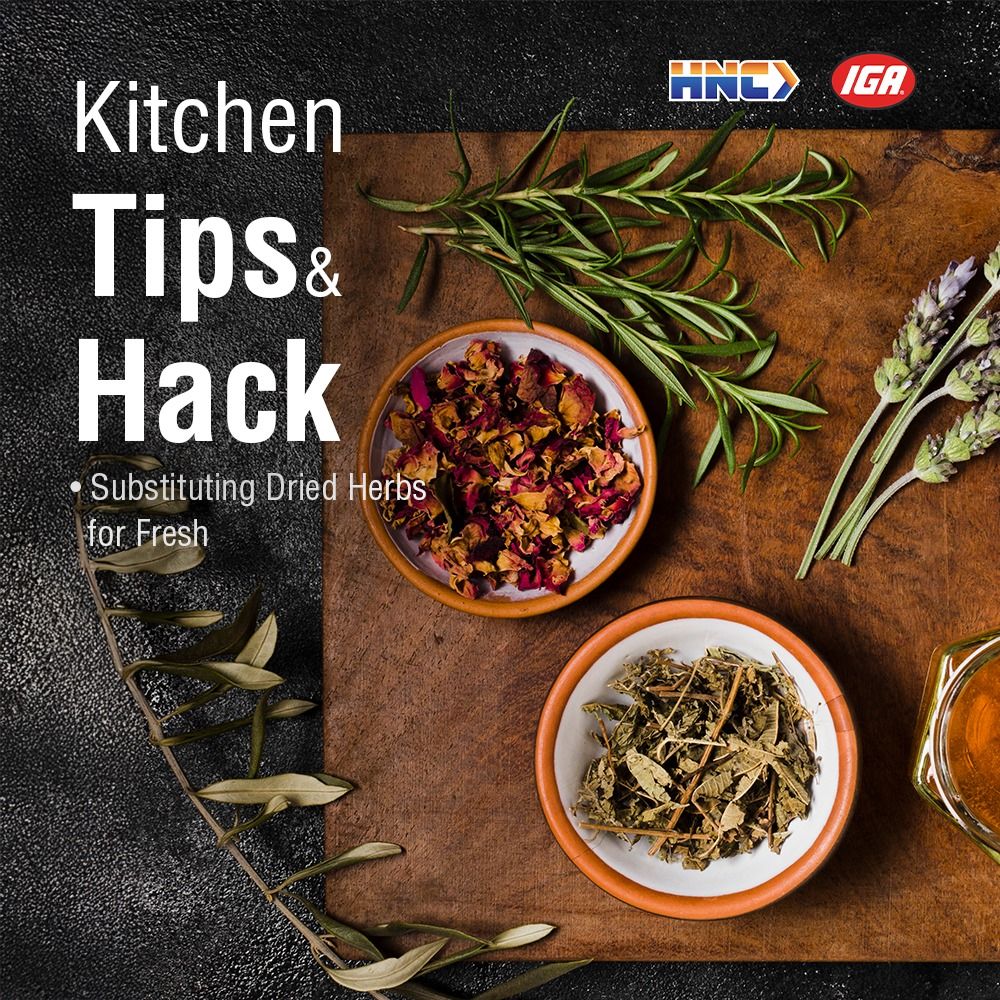
The Golden Rule: How to Swap Dried for Fresh Herbs
A simple guideline to remember:
1 teaspoon of dried herbs = 1 tablespoon of fresh herbs
Since dried herbs are more concentrated in flavor, you only need about one-third of the amount compared to fresh. This substitution works best when herbs are added early in the cooking process, allowing their flavors to blend and mellow out.
When to Use Dried vs. Fresh Herbs
Best Herbs to Substitute with Dried Versions
Some herbs hold up well when dried and can be used as a direct substitute for fresh. These are often sturdier, woodier herbs that retain their essential oils even after drying:
✔ Oregano – Perfect for pasta sauces, soups, and roasted meats.
✔ Thyme – Works well in stews, braises, and roasted dishes.
✔ Sage – Ideal for stuffing, poultry, and creamy sauces.
✔ Rosemary – A great addition to roasted vegetables, meats, and marinades.
✔ Bay Leaves – Used whole in soups, stews, and slow-cooked dishes.
*** Tip: Since dried herbs are more potent, adding them early in the cooking process allows them to soften and blend into the dish.
When to Stick with Fresh Herbs
Not all herbs are good candidates for drying. Delicate, leafy herbs tend to lose their bright, fresh taste when dried and are best used fresh, especially as a finishing touch:
❌ Basil – Loses its fresh, sweet flavor when dried. Best added fresh to pasta, salads, and pizzas.
❌ Mint – Fresh mint is essential for cocktails, dressings, and garnishes.
❌ Parsley – Fresh parsley adds color and a mild, refreshing taste to dishes.
❌ Cilantro – Dried cilantro lacks the citrusy zing of fresh leaves.
❌ Chives – Best fresh for a mild oniony flavor in soups, eggs, and dips.
*** Tip: Add fresh herbs at the end of cooking or as a garnish for the best flavor.
How to Store Dried Herbs for Maximum Freshness
If you're using dried herbs often, proper storage is key to maintaining their potency. Follow these tips:
✔ Store in airtight containers – Keep them in a cool, dark place away from heat and sunlight.
✔ Check for freshness – Dried herbs lose potency over time. If they no longer have a strong aroma when crushed, it’s time to replace them.
✔ Use within 1–3 years – Most dried herbs are at their best for about one to three years.
Pro Tips for Enhancing Flavor with Dried Herbs
- Crush dried herbs before using – This releases their natural oils and boosts their aroma.
- Bloom them in oil – Briefly cooking dried herbs in warm oil or butter before adding other ingredients enhances their flavor.
- Make your own dried herb blends – Mix oregano, thyme, and rosemary for a versatile Italian seasoning.
Final Thoughts
Using dried herbs in place of fresh ones is a simple trick that can make cooking more convenient without sacrificing flavor. Just remember the 1 teaspoon dried = 1 tablespoon fresh rule and choose the right herbs for each dish. Whether you’re making a hearty stew, a slow-cooked sauce, or a quick weeknight meal, dried herbs can be a lifesaver in the kitchen!
Follow us for more great tips in your kitchen!
