



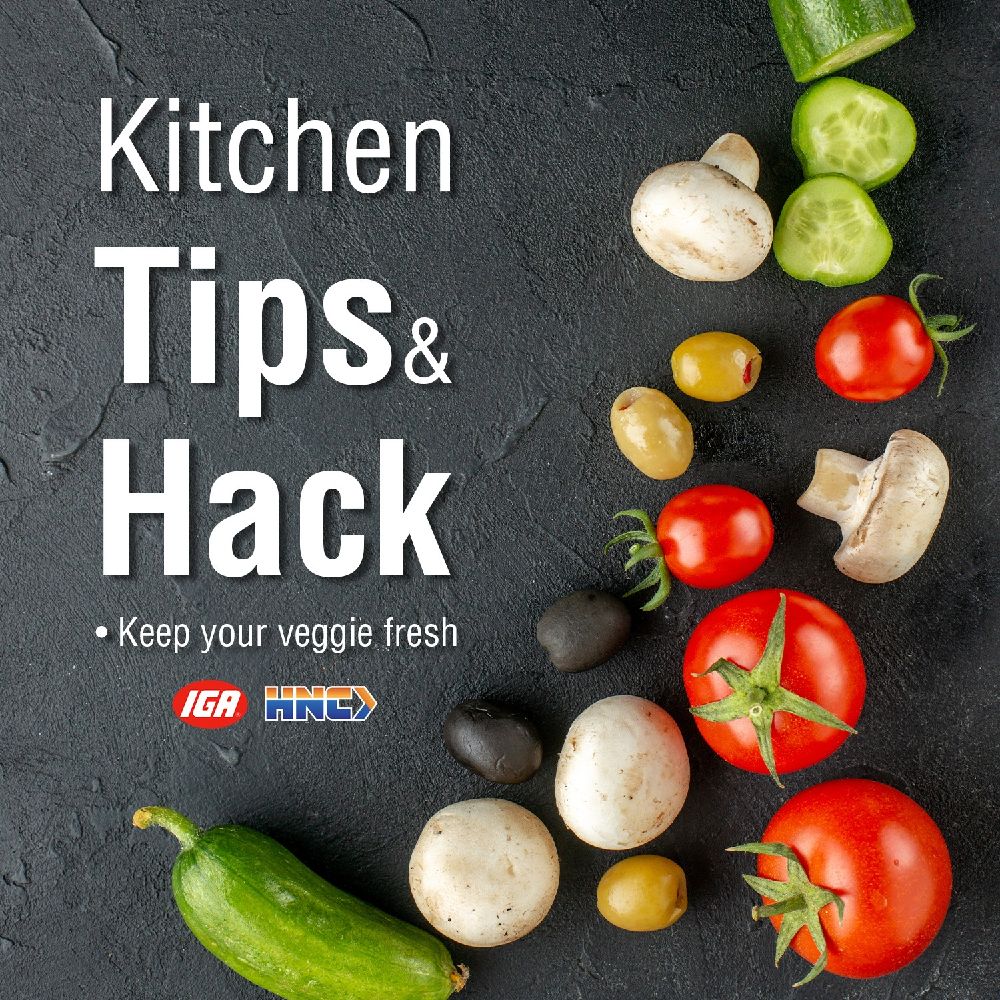
Fresh vegetables are essential for a healthy diet, but they can spoil quickly if not stored properly. Whether you buy them weekly or grow your own, knowing how to extend their shelf life can save you money and reduce food waste. Here are some practical tips to keep your veggies fresh for longer!
1. Buy Seasonal and Local Vegetables
One of the best ways to ensure freshness is to buy vegetables that are in season and locally grown. Seasonal produce is at its peak in terms of flavor and nutrition. Plus, it lasts longer because it hasn't traveled long distances to reach your kitchen.
Pro Tip: Visit farmers' markets for the freshest options, or check labels at the grocery store for locally sourced produce.
2. Do Not Wash Before Freezing
Moisture is the enemy of fresh vegetables. Washing them before storing, especially before freezing, can make them spoil faster. Excess moisture promotes mold and bacterial growth, leading to a shorter shelf life.
Pro Tip: If you need to wash your veggies before use, dry them thoroughly using a clean towel or a salad spinner before storing them in the fridge.
3. Freeze Herbs in Olive Oil
Herbs like basil, cilantro, and parsley tend to wilt quickly. Instead of letting them go bad, chop them up and freeze them in olive oil using an ice cube tray.
✅ This method preserves their flavor and makes them easy to use later for cooking—just pop a cube into your pan!
Pro Tip: Use this trick for garlic and ginger too! Mince them and freeze in oil for a quick and flavorful addition to dishes.
4. Chop Off Carrot Tops
Carrot greens draw moisture away from the root, causing them to dry out and wilt faster. To keep carrots fresh for longer, remove the leafy tops before storing them in the fridge.
Pro Tip: Don’t throw away the carrot tops! They can be used in pesto or as a garnish for soups and salads.
5. Keep Asparagus in Water
Asparagus, celery, and carrots last much longer when stored in water. Place them upright in a glass or jar filled with filtered water, just like fresh flowers. This helps keep them crisp and hydrated.
Pro Tip: Change the water every couple of days to maintain freshness. You can also loosely cover them with a plastic bag to retain moisture.
Bonus Tips for Veggie Storage!
✔ Leafy Greens: Store in a breathable bag with a dry paper towel to absorb excess moisture.
✔ Tomatoes: Keep at room temperature, not in the fridge, to preserve their flavor.
✔ Onions & Potatoes: Store in a cool, dry place—never together, as onions release gases that cause potatoes to spoil faster.
By following these simple storage hacks, you can extend the life of your vegetables, reduce food waste, and enjoy fresh, flavorful produce for longer. Happy cooking!
